Economic resilience
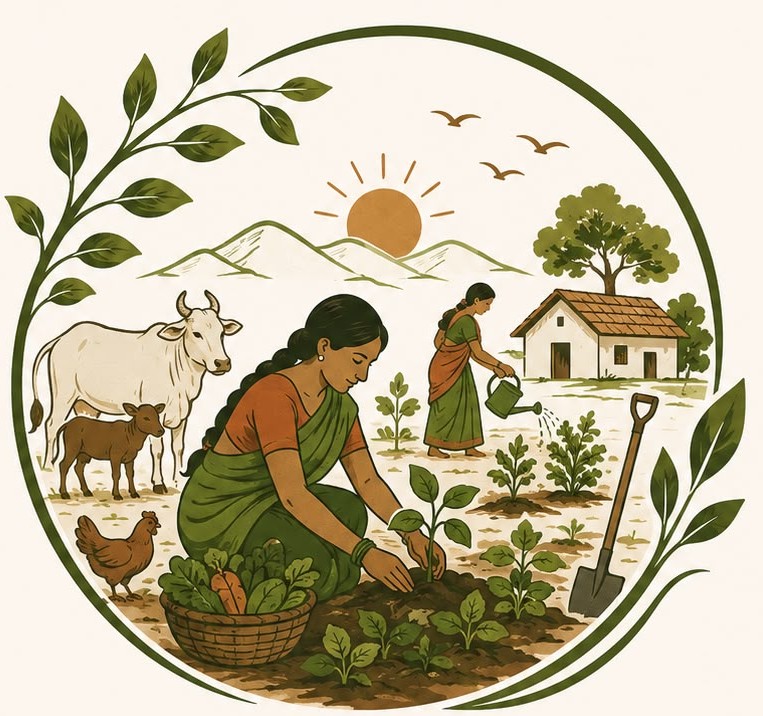
Growing demand, potential price premiums, reduced dependence on purchased inputs, and more diverse farm activity can strengthen rural livelihoods.
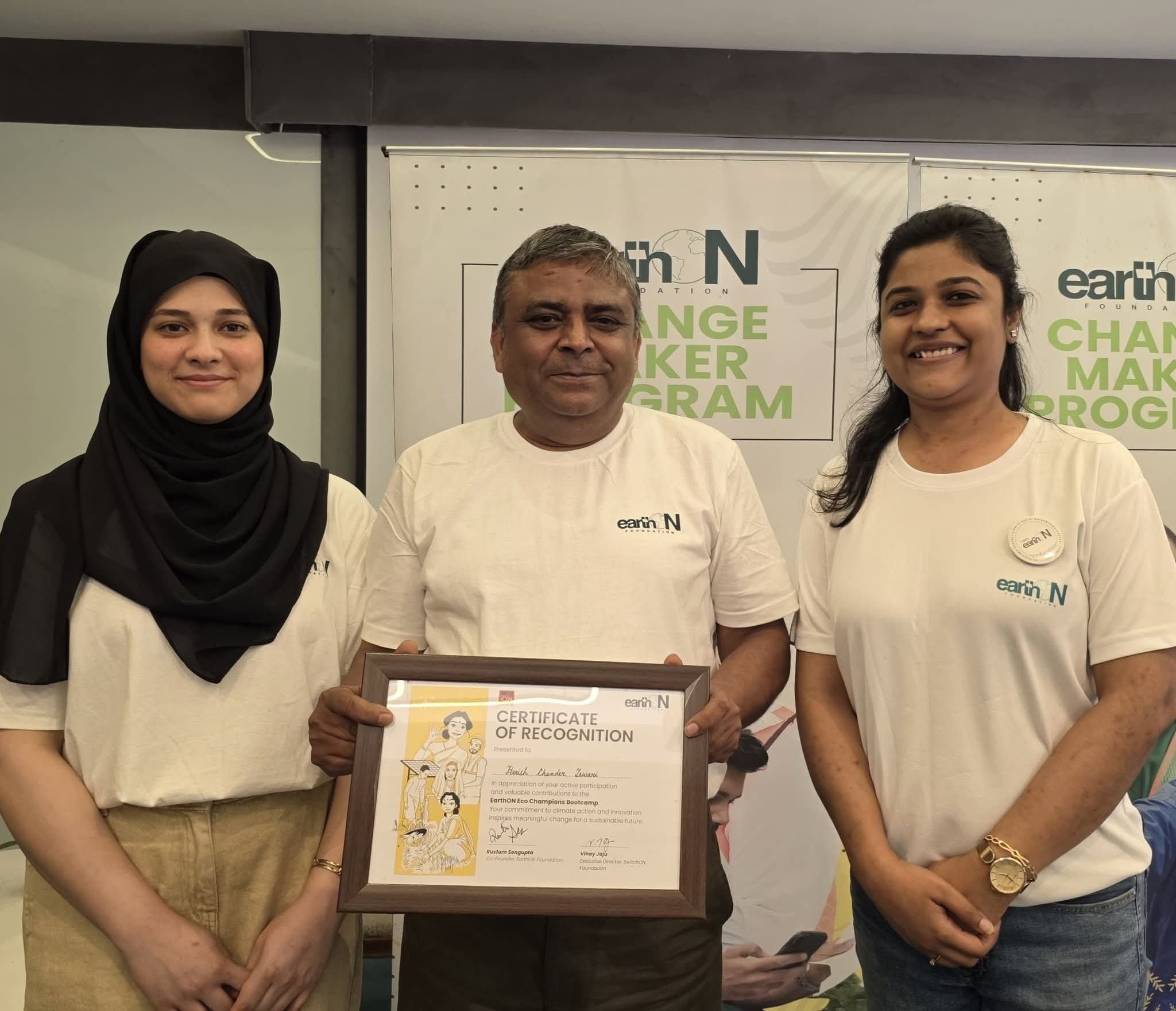
Harish Tewari reflects on India's agricultural inheritance, the pressures facing small farmers, and the role exchange can play in a more resilient rural future.
 A note from
Harish Tewari
A note from
Harish Tewari
Coordinator, WWOOF India
In India, chemical farming methods have dominated for so long that practical information about non-chemical and organic farming can be difficult to find, with too few qualified specialists available to provide the knowledge farmers need.
Yet India has a rich agricultural heritage suited to organic production systems. Sophisticated crop rotations and mixed cropping patterns can support pest and disease management, nutrient recycling, and resilient production. The country already has strengths in off-season vegetables, tea, spices, rice, and Ayurvedic herbs.
Labour is relatively affordable compared with many purchased inputs. This can favour less input-dependent and more labour-intensive systems, provided farmers can maintain sufficient yields and receive fair value for their produce.
Many farmers work with very limited assets, income, and production flows. Technology packages often require resources they cannot access. Declining soil fertility, erosion, overgrazing, continuous cropping, unsuitable rotations, weed pressure, and crop disease all make the need for practical, locally appropriate alternatives more urgent.
Growing demand, potential price premiums, reduced dependence on purchased inputs, and more diverse farm activity can strengthen rural livelihoods.
Improved soil fertility and water quality, reduced erosion, and preservation of natural and agricultural biodiversity protect the productive base.
Rural employment, reduced migration pressure, improved household nutrition, local food security, and shared knowledge benefit whole communities.
I hope WWOOF India can create a platform where knowledge and cultural exchange take place between volunteers and hosts, while helping bridge the distance between urban and rural communities.
Harish Tewari
Coordinator, WWOOF India